
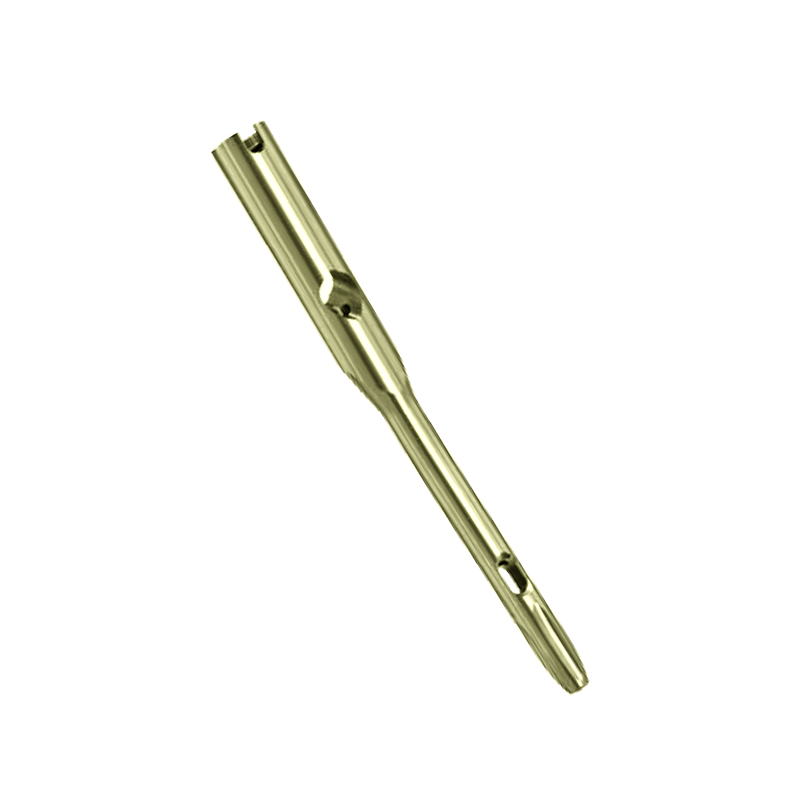
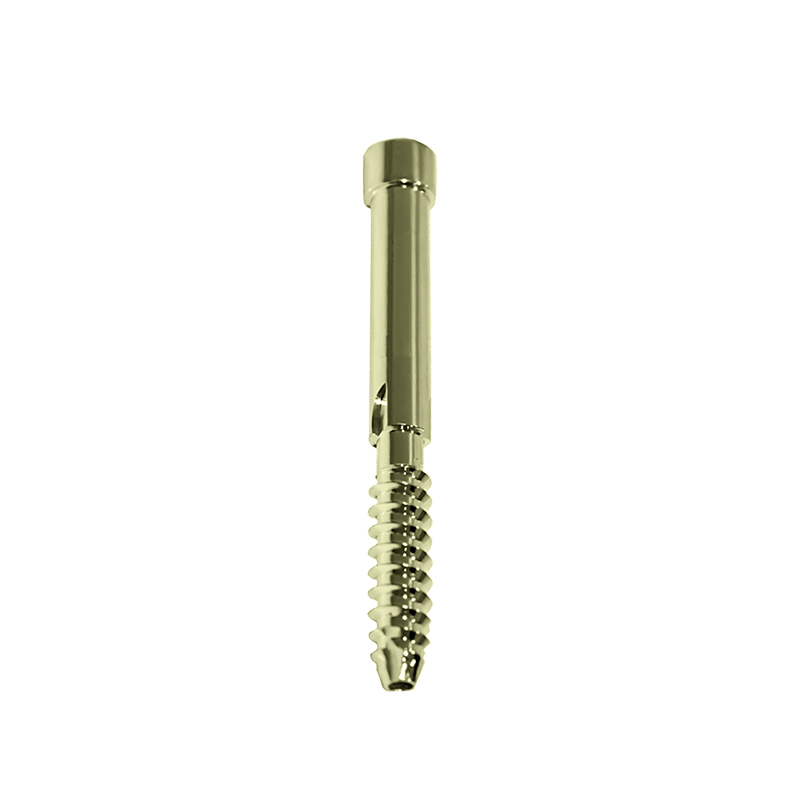
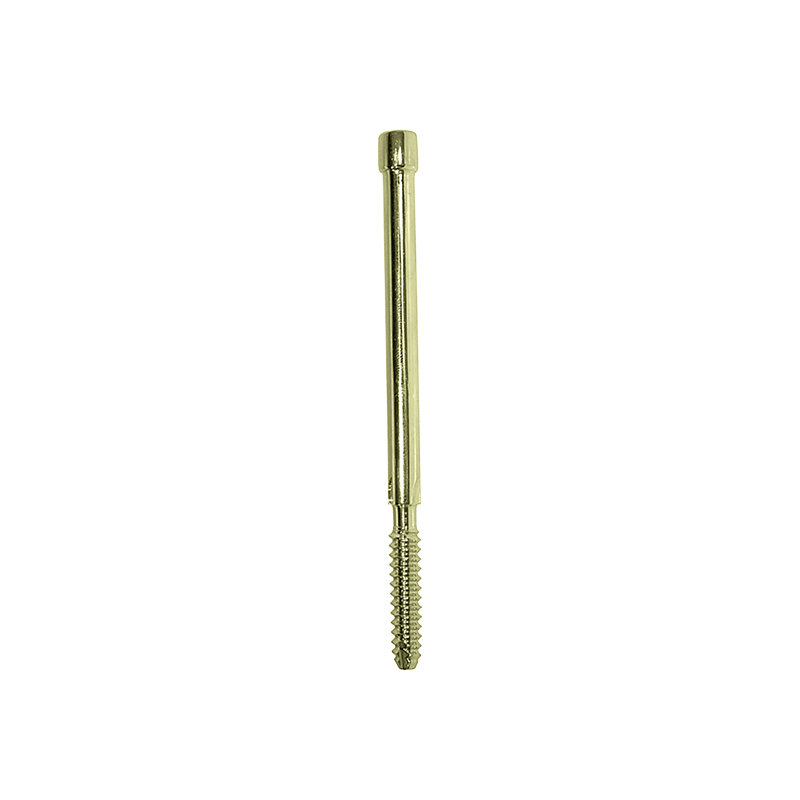
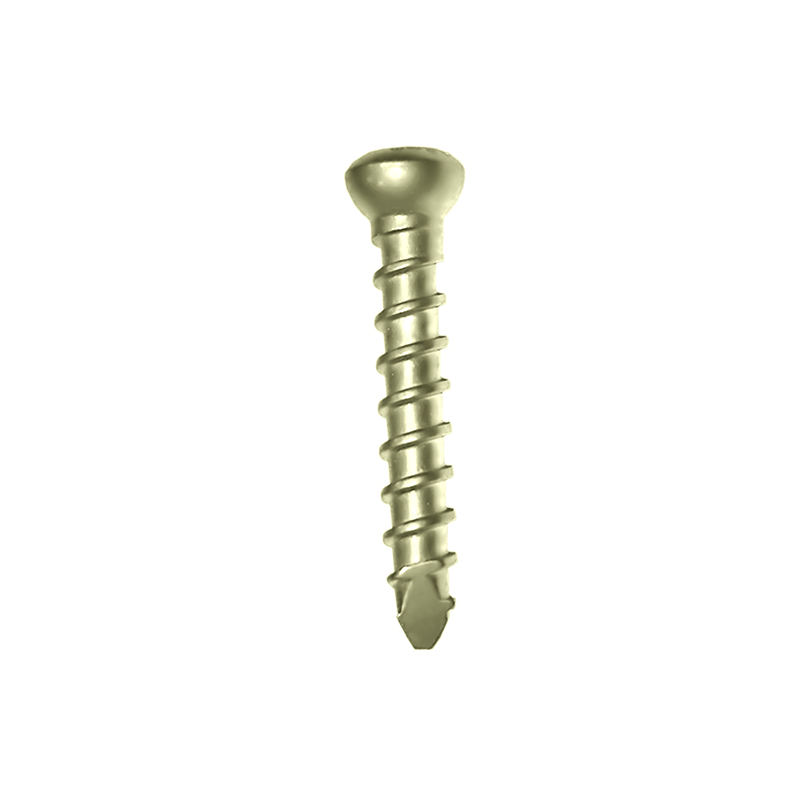
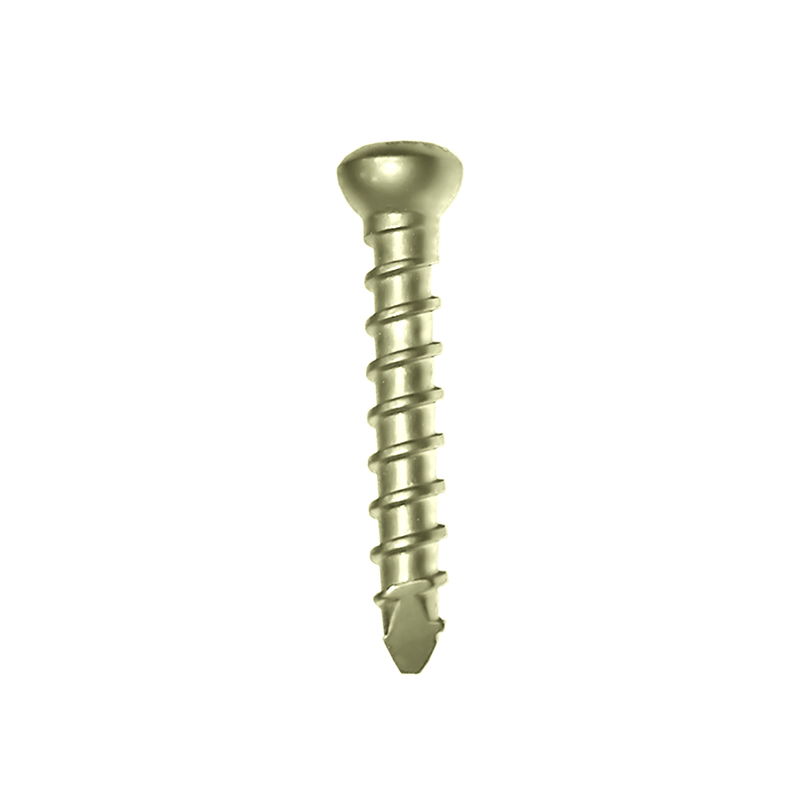
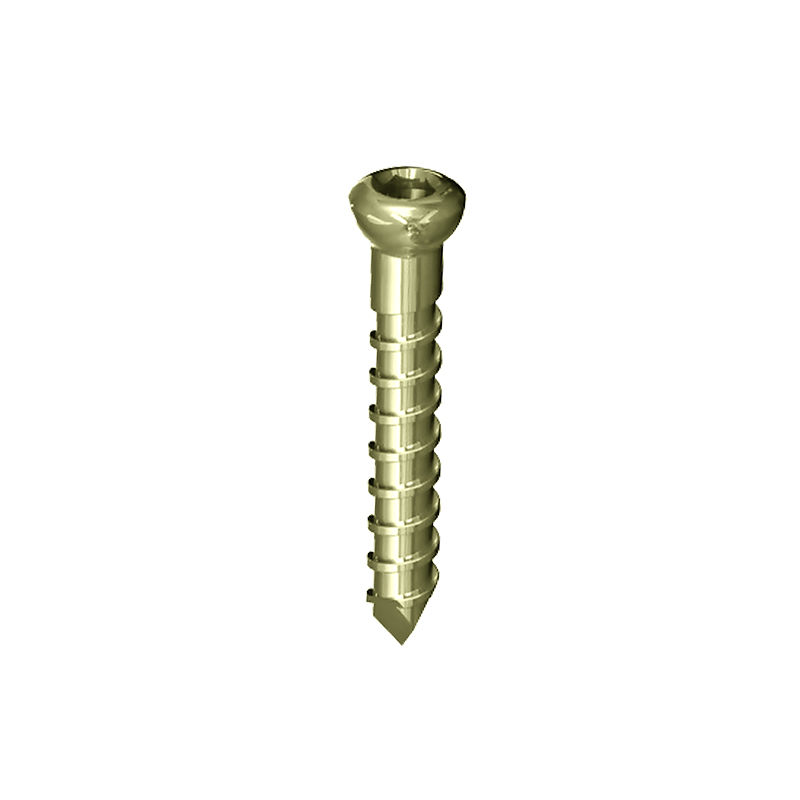
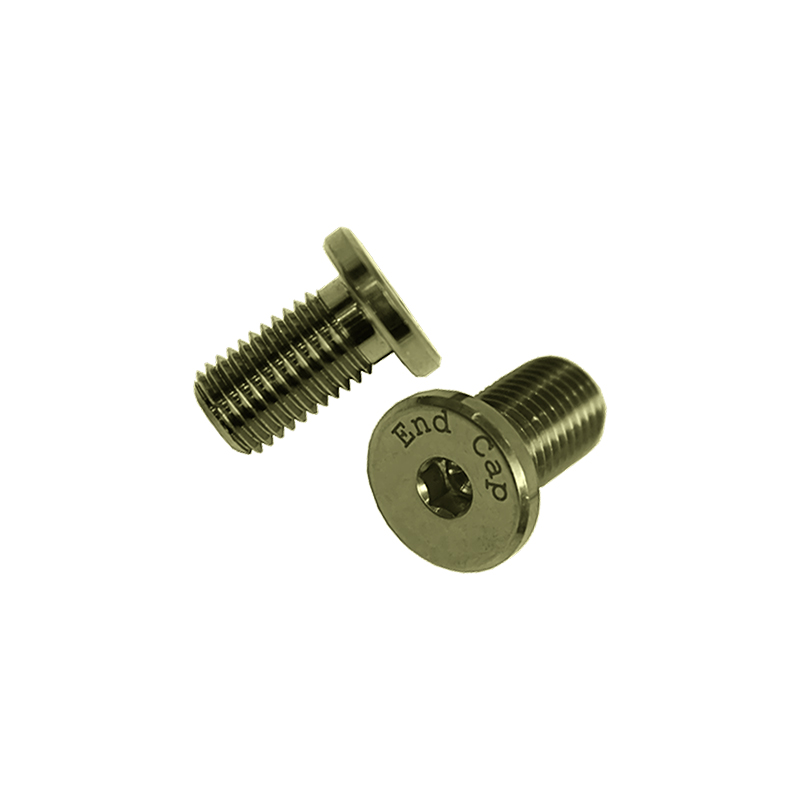
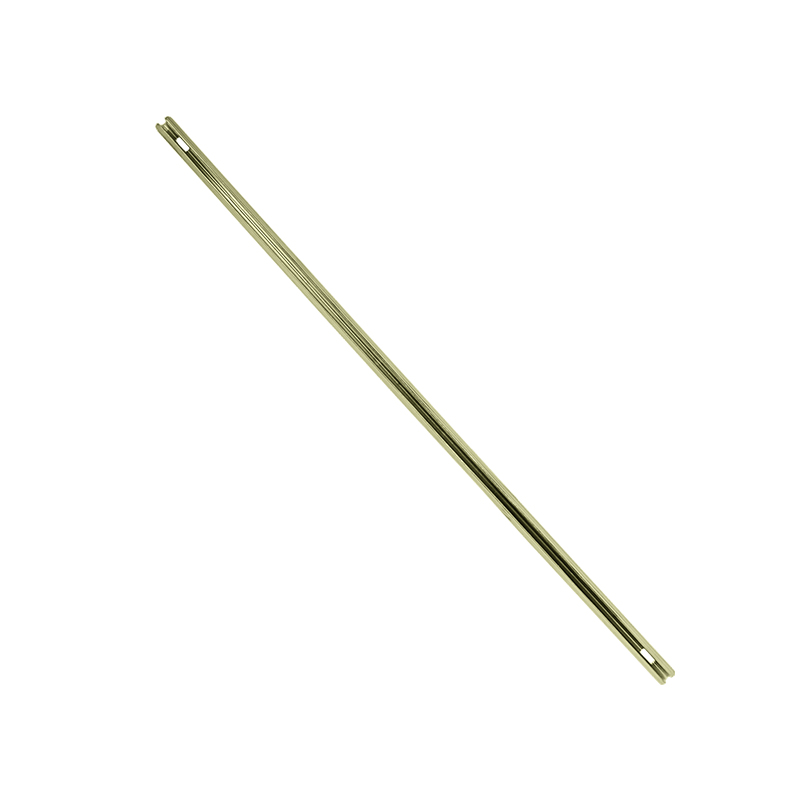
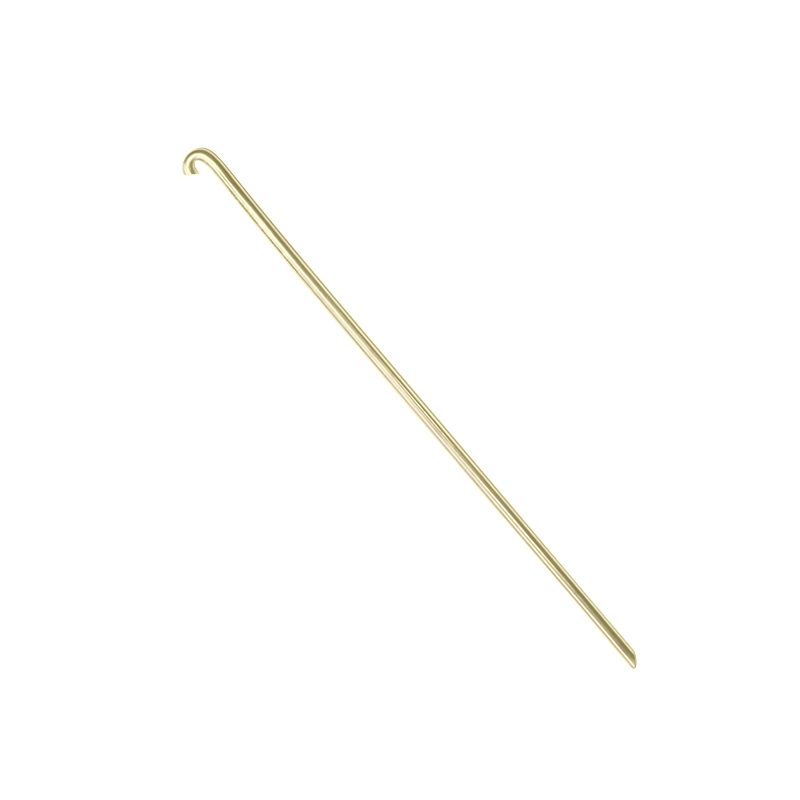
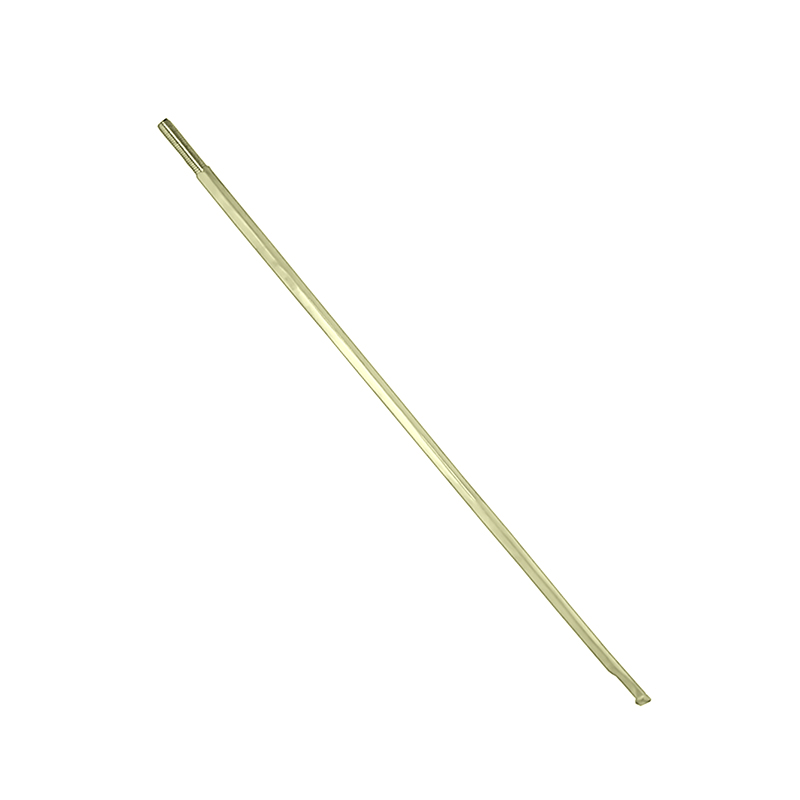
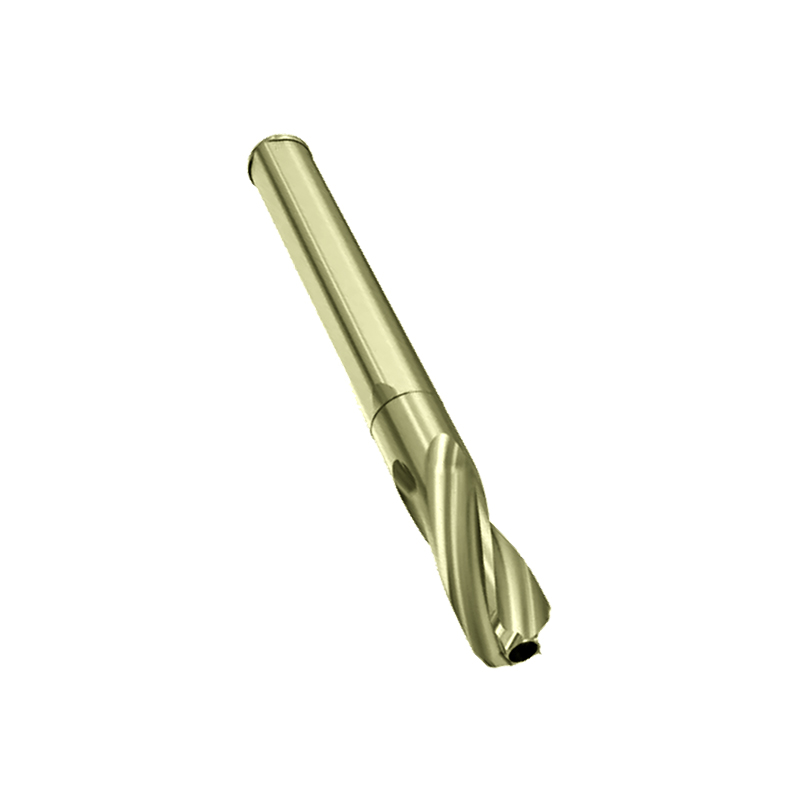
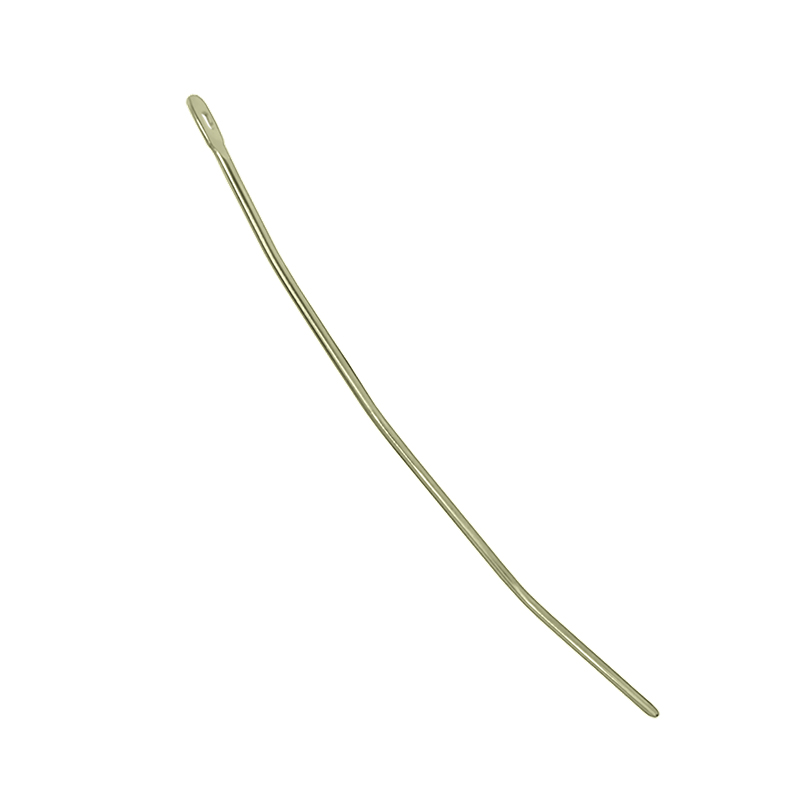
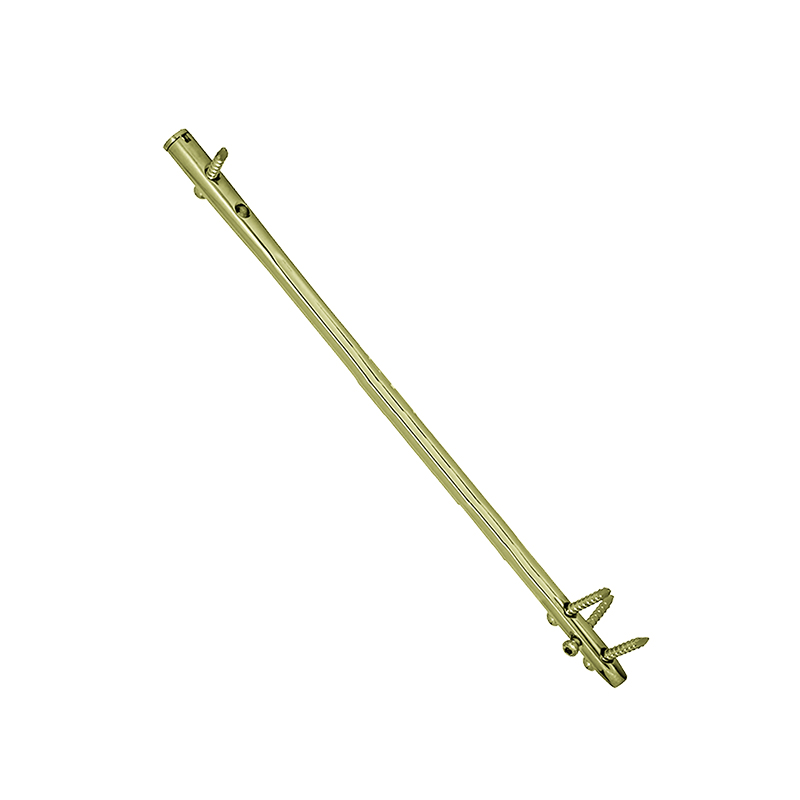
130° Short Proximal Femur Nail Antirotation – 2 Cannulated is an intramedullary fixation system designed for stable treatment of proximal femur fractures. Featuring a 130° neck-shaft angle and dual cannulated screw configuration, it provides enhanced anti-rotational stability and precise minimally invasive insertion.
The 130° Short Proximal Femur Nail Antirotation – 2 Cannulated is a high-performance orthopedic implant developed for the effective management of proximal femoral fractures, including intertrochanteric and subtrochanteric fractures. Its short nail design allows for quicker surgical procedures, reduced blood loss, and minimal soft tissue disruption.
This system incorporates a 130° neck-shaft angle, closely matching anatomical alignment for optimal load distribution and fracture stabilization. The dual cannulated screw (2 screw) configuration ensures superior fixation by providing both controlled compression and strong anti-rotational stability, which is especially beneficial in osteoporotic bone conditions.
The cannulated design allows accurate placement over a guide wire, improving surgical precision and reducing operative complications. Manufactured from premium Stainless Steel (SS) or Titanium (Ti), the implant ensures high mechanical strength, corrosion resistance, and excellent biocompatibility.
Got questions? Ideas? Fill out the form below & our specialist will contact you.
Need help? Our team is just a message away