
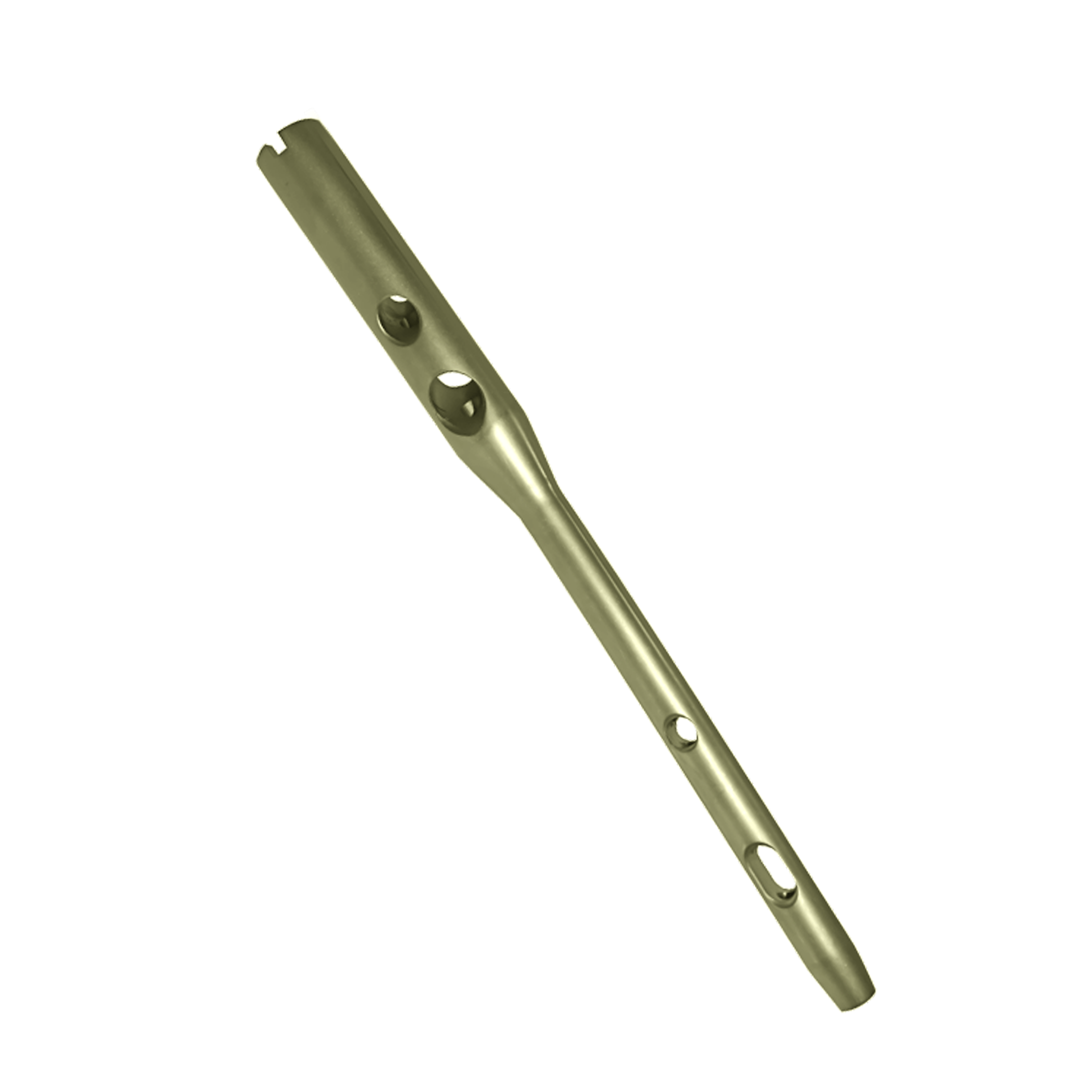
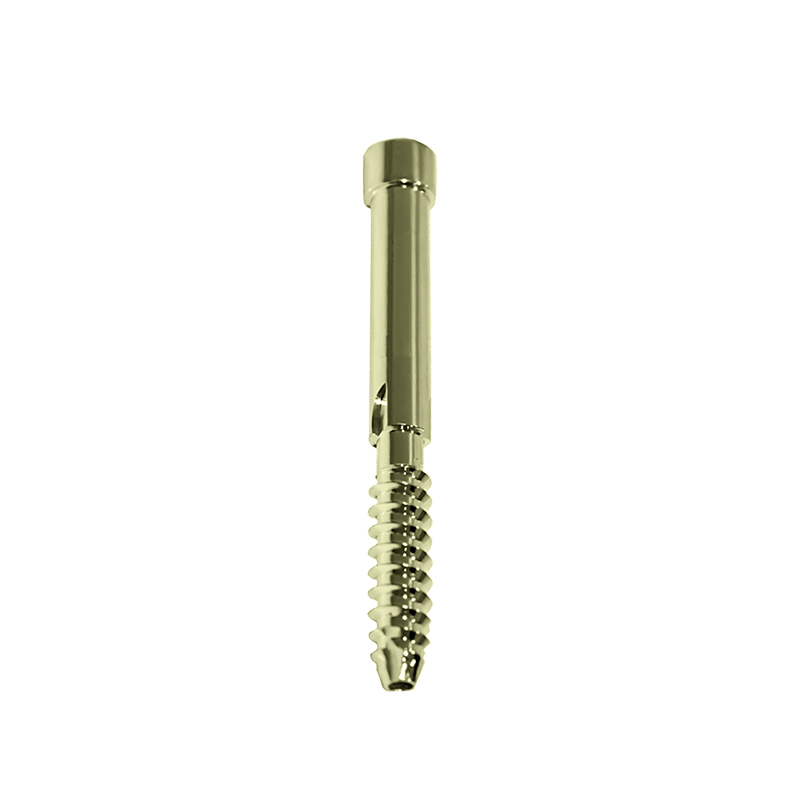
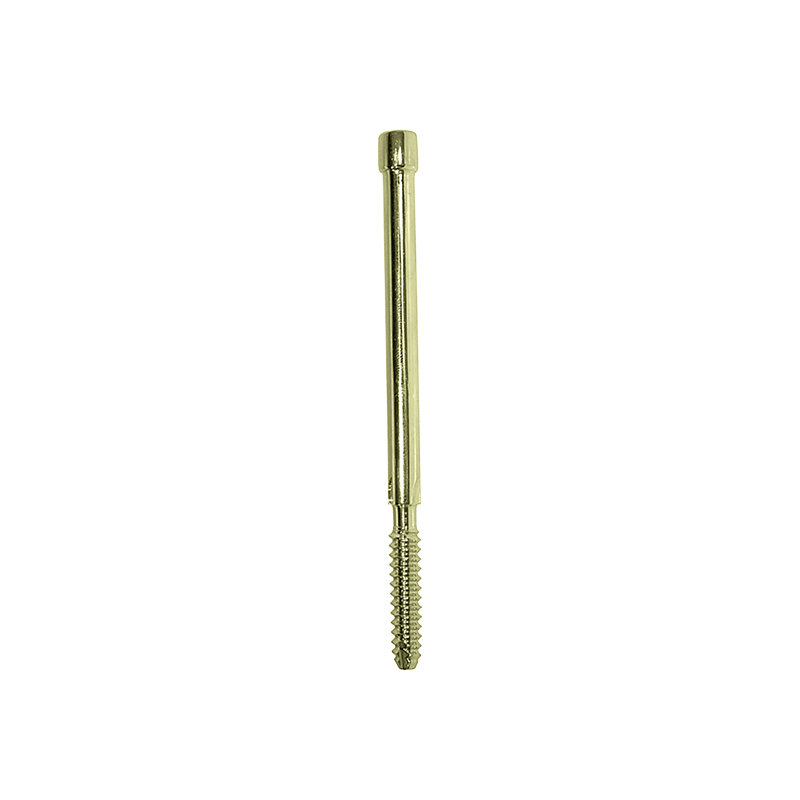
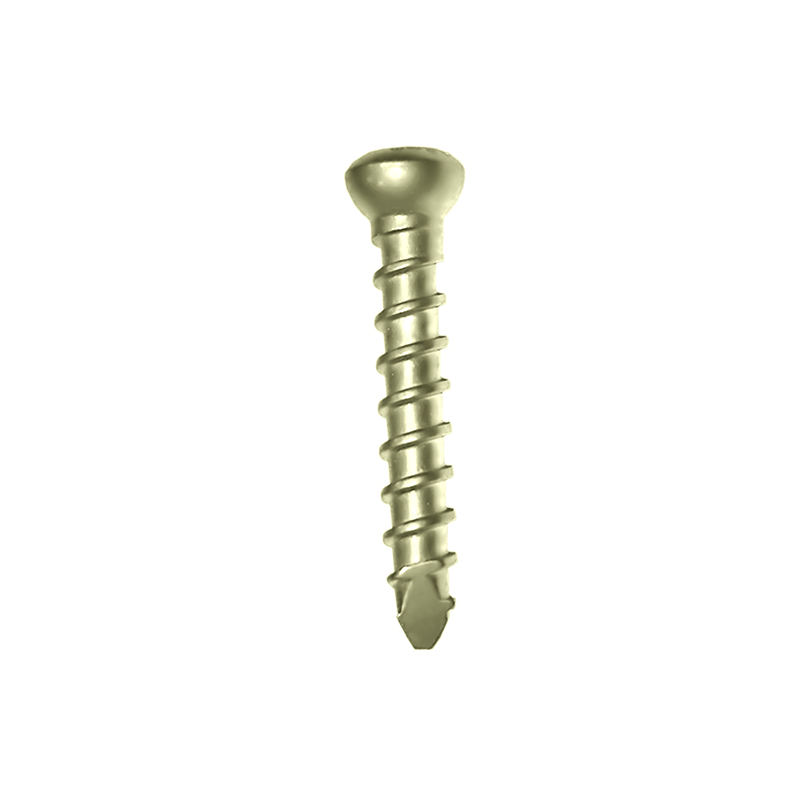
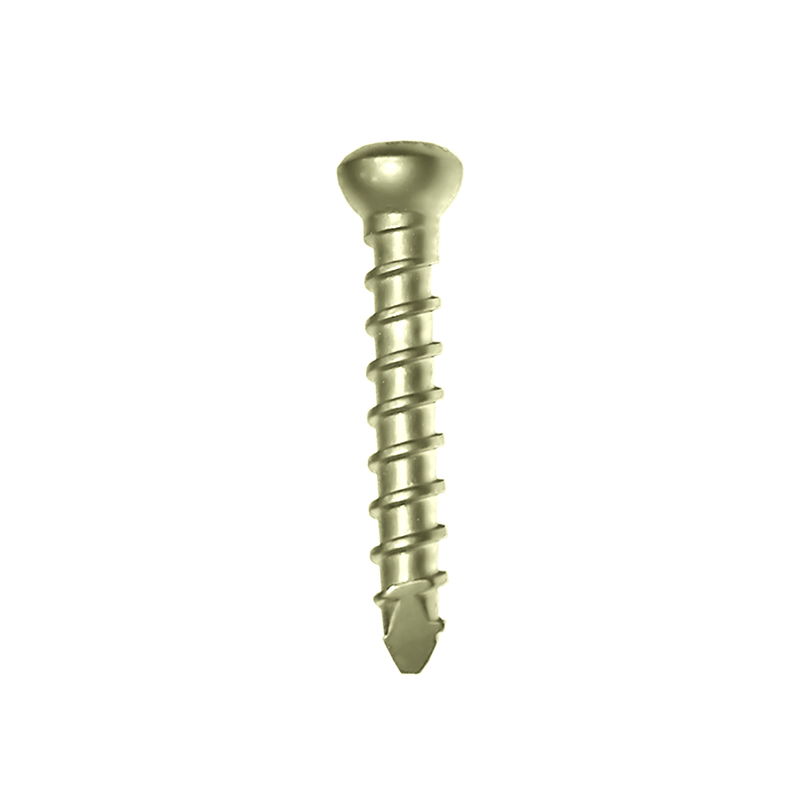
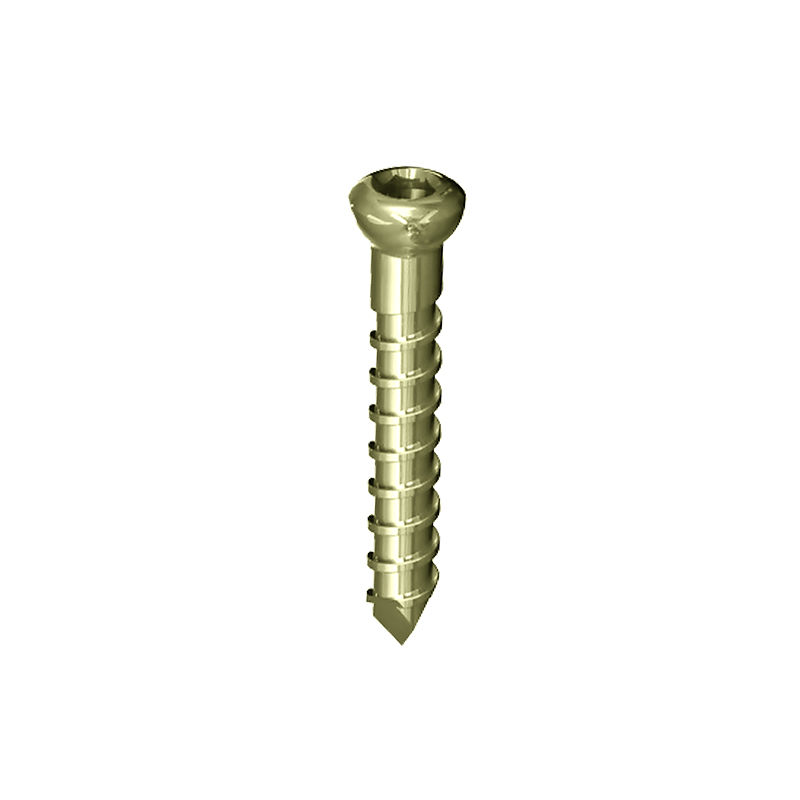
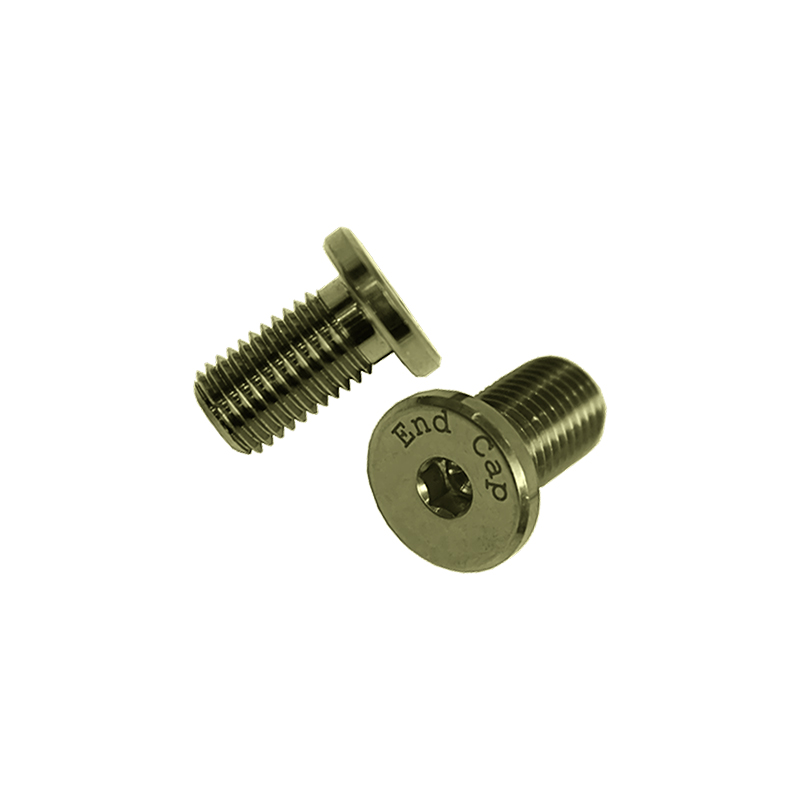
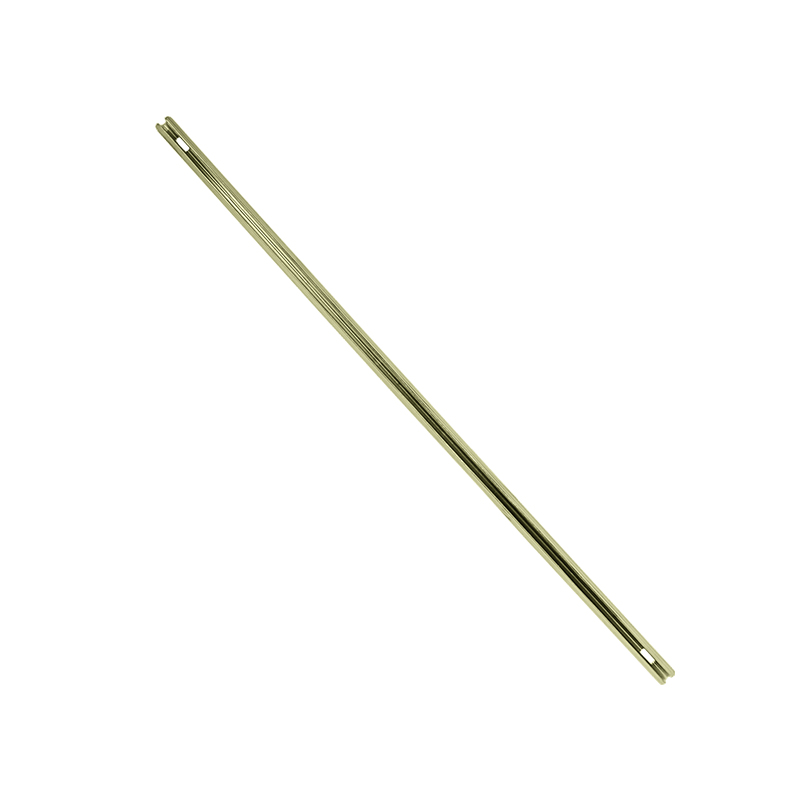
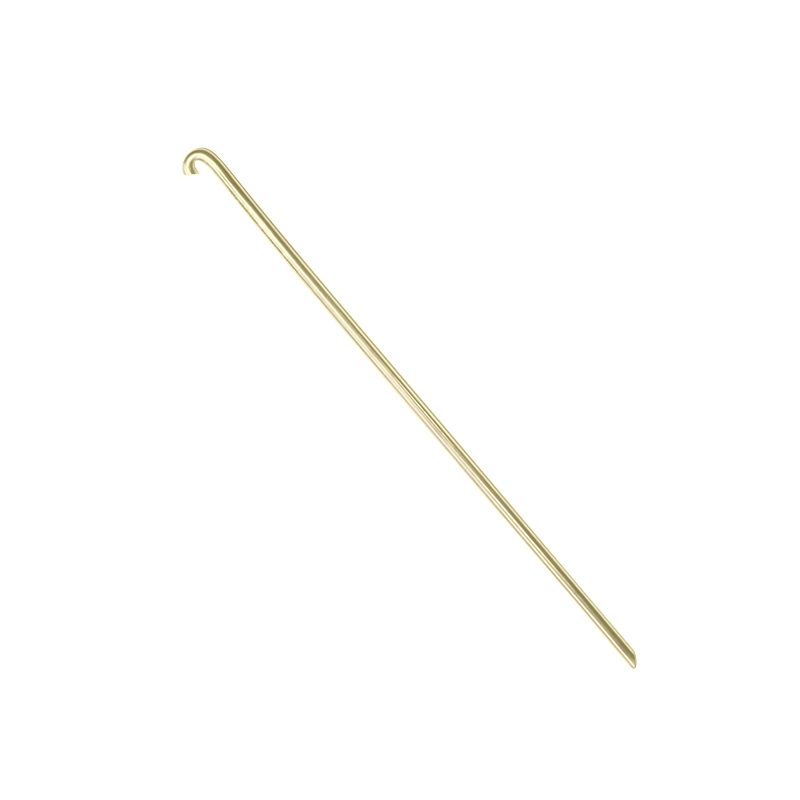
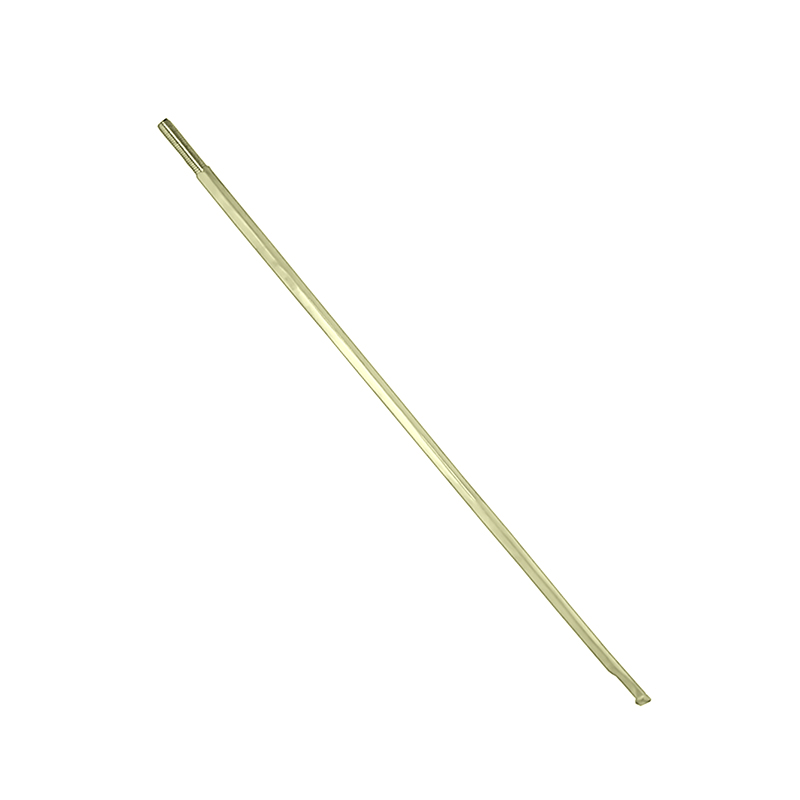
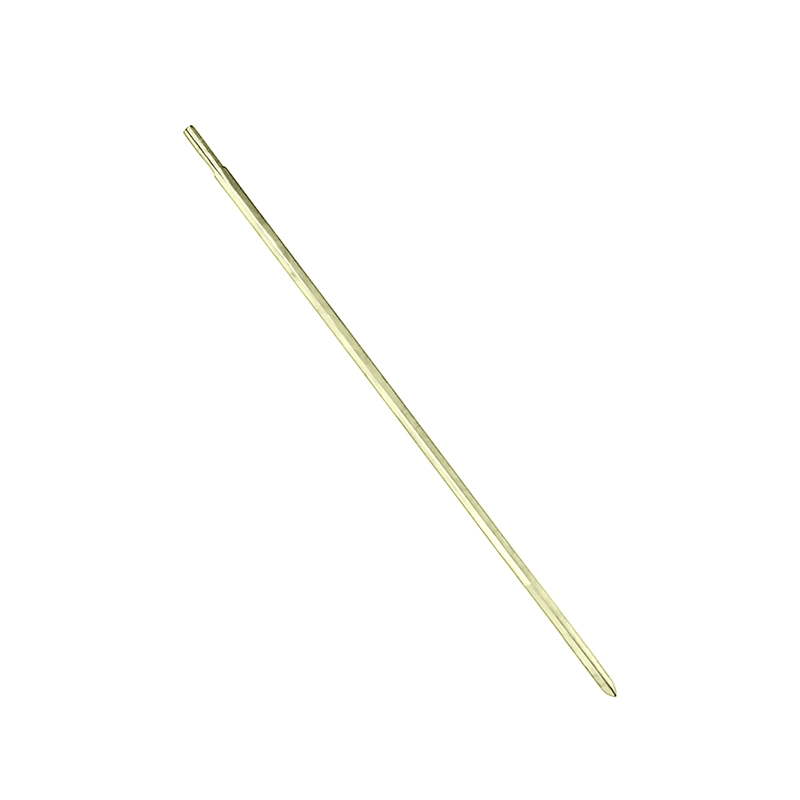
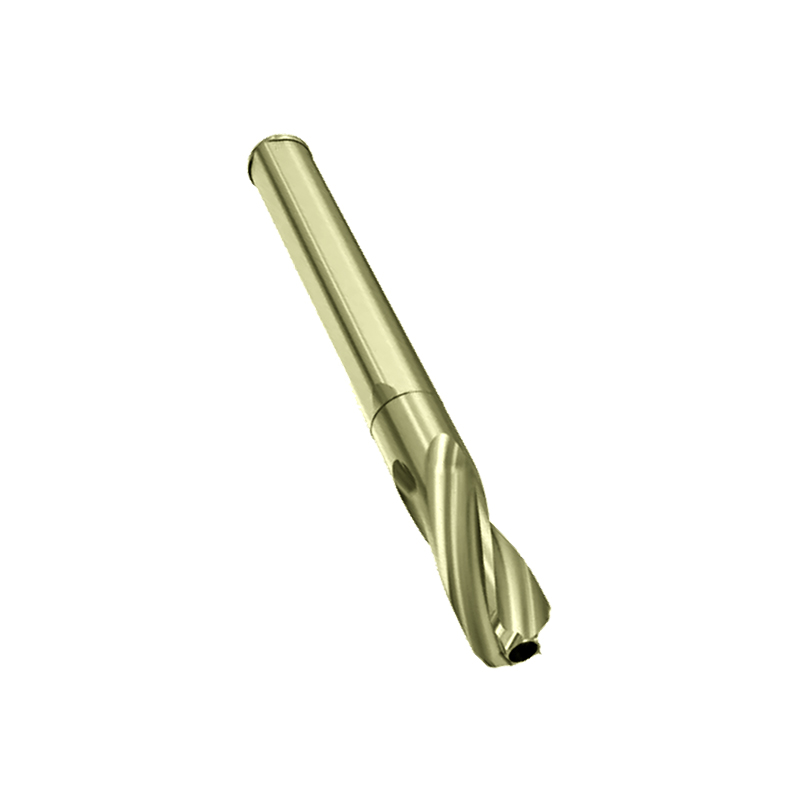
130° & 135° Trochanteric Proximal Femur Nail (Cannulated) is an intramedullary fixation device designed for the treatment of trochanteric fractures of the femur. With anatomically optimized angles and a cannulated design, it ensures precise insertion, strong fixation, and minimally invasive surgical application.
The 130° & 135° Trochanteric Proximal Femur Nail (Cannulated) is a specialized orthopedic implant developed for the effective fixation of trochanteric and proximal femoral fractures. Engineered with a trochanteric entry point, this nail facilitates easier insertion and reduces surgical trauma, making it highly suitable for minimally invasive procedures.
Available in 130° and 135° neck-shaft angle options, the implant allows surgeons to select the most appropriate anatomical alignment for optimal load transfer and fracture stability. The cannulated design enables guided insertion over a guide wire, ensuring accurate placement and improved surgical precision.
Constructed from high-quality Stainless Steel (SS) or Titanium (Ti), the nail offers excellent strength, durability, and biocompatibility. The system supports proximal fixation with lag screw(s) for controlled compression across the fracture site, along with distal locking options to enhance rotational and axial stability.
Got questions? Ideas? Fill out the form below & our specialist will contact you.
Need help? Our team is just a message away