
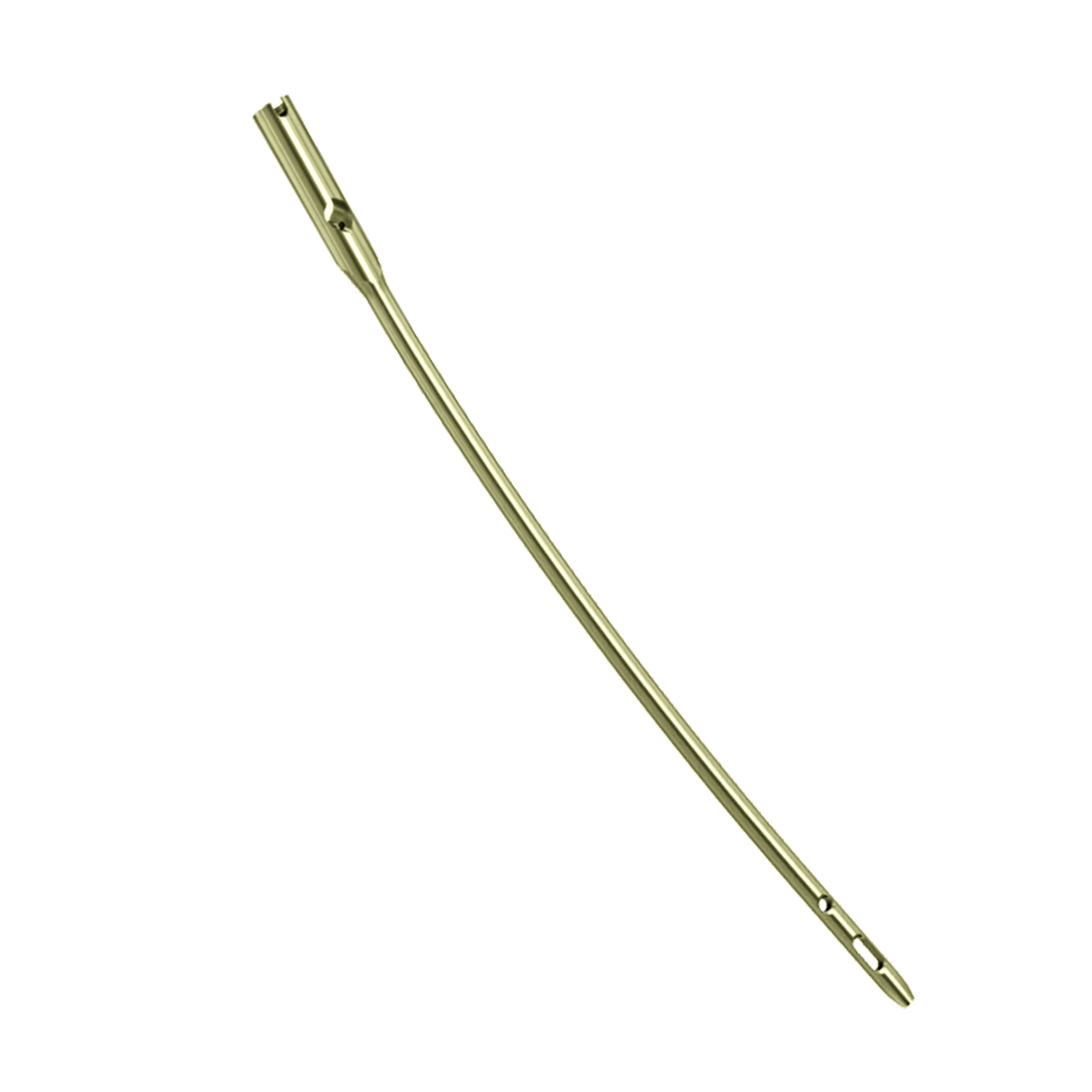
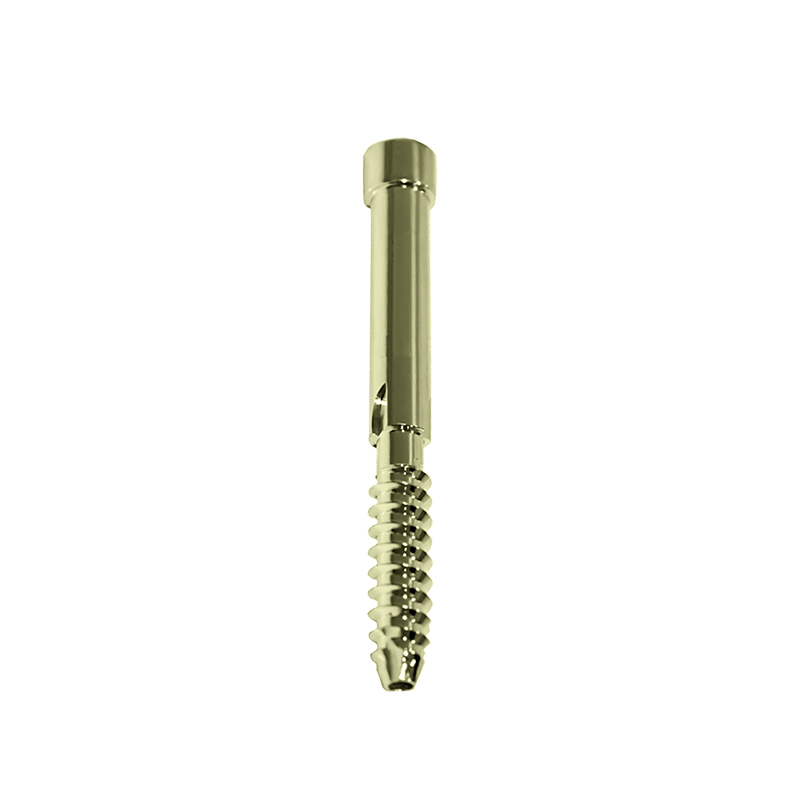
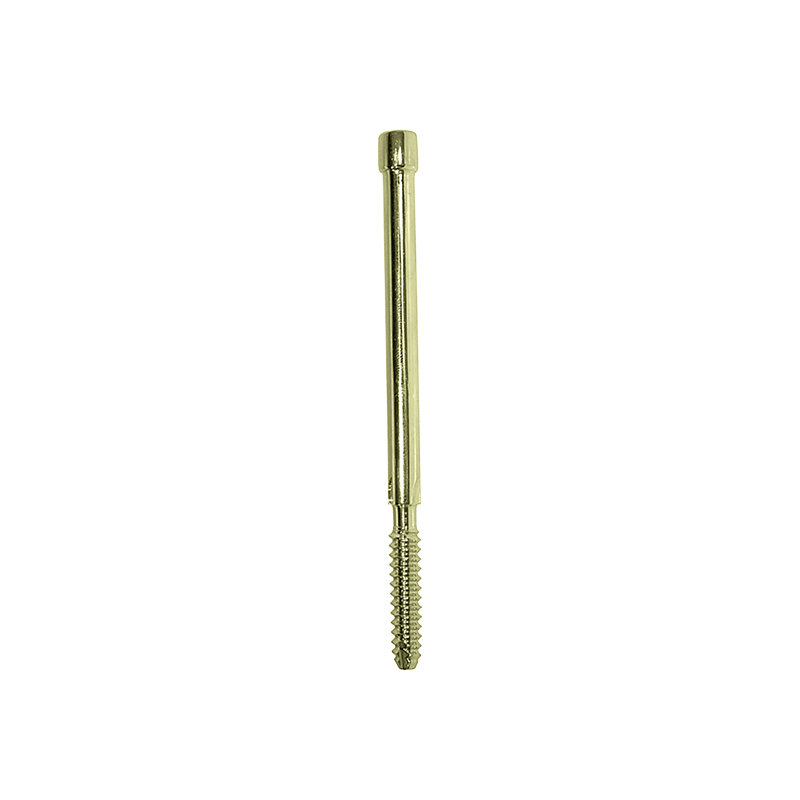
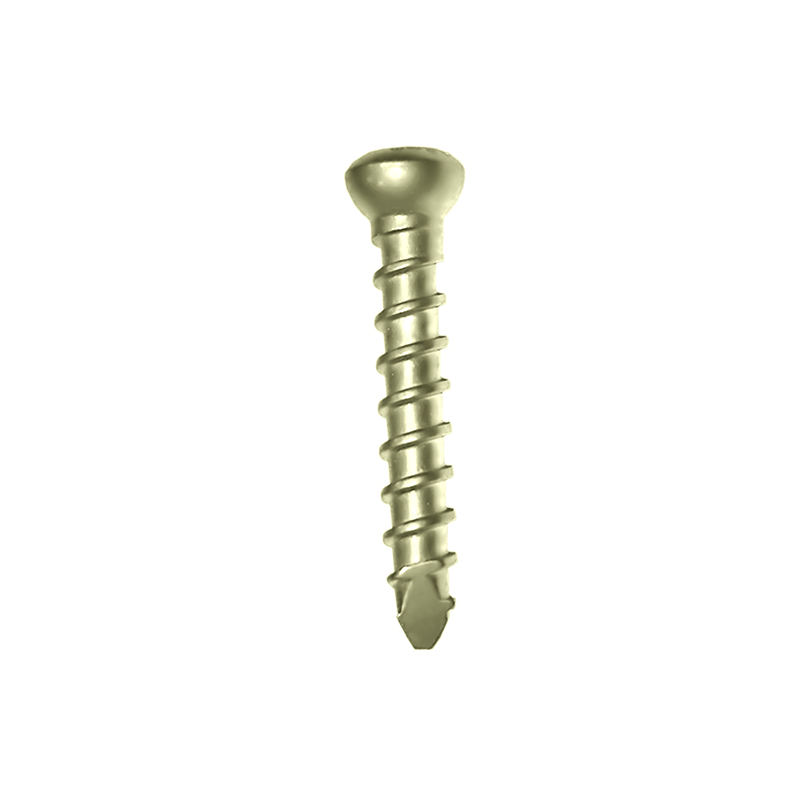
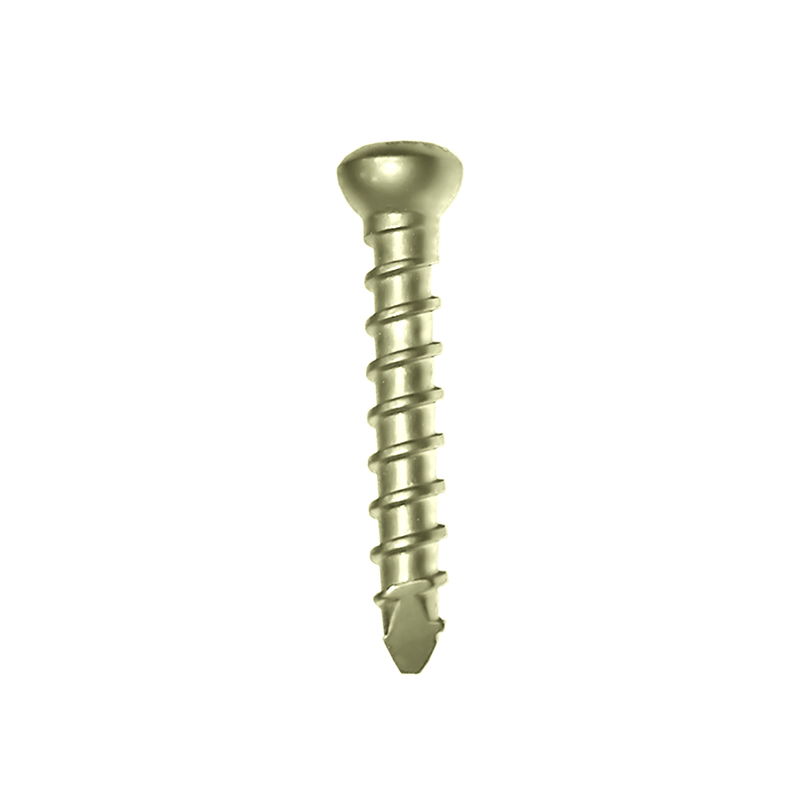
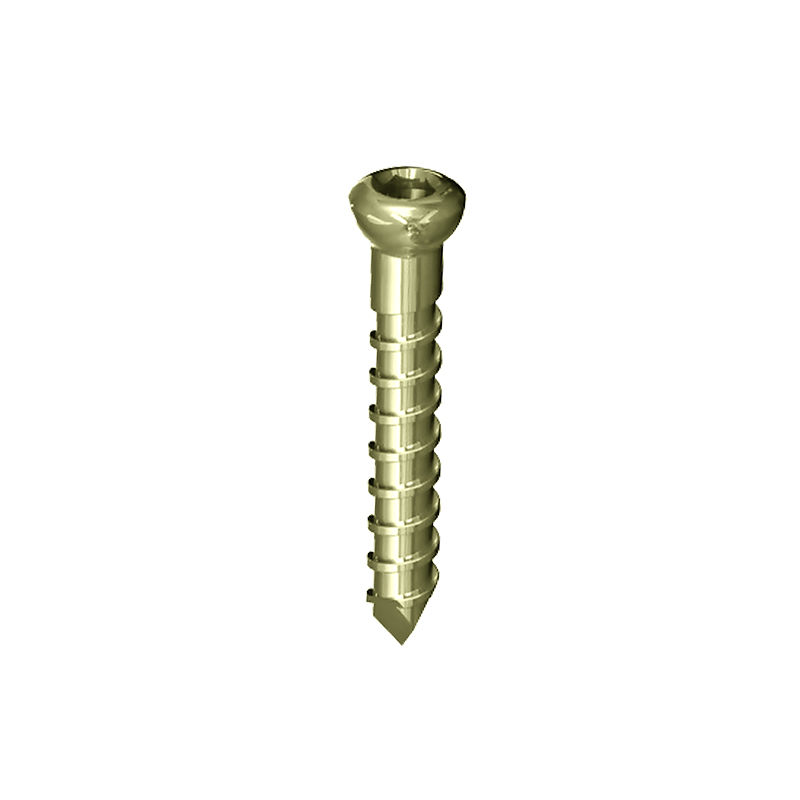
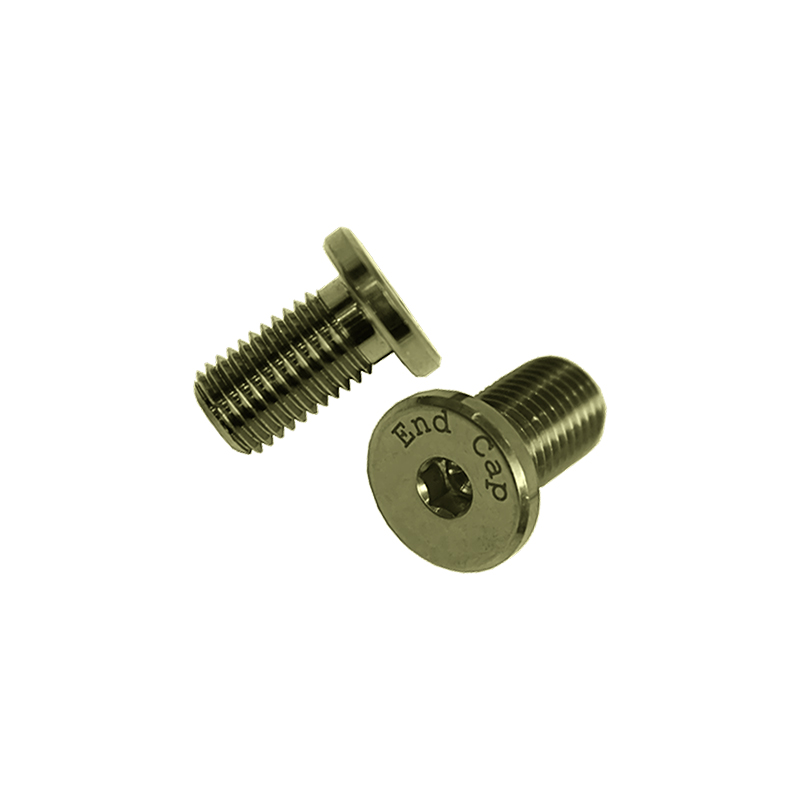
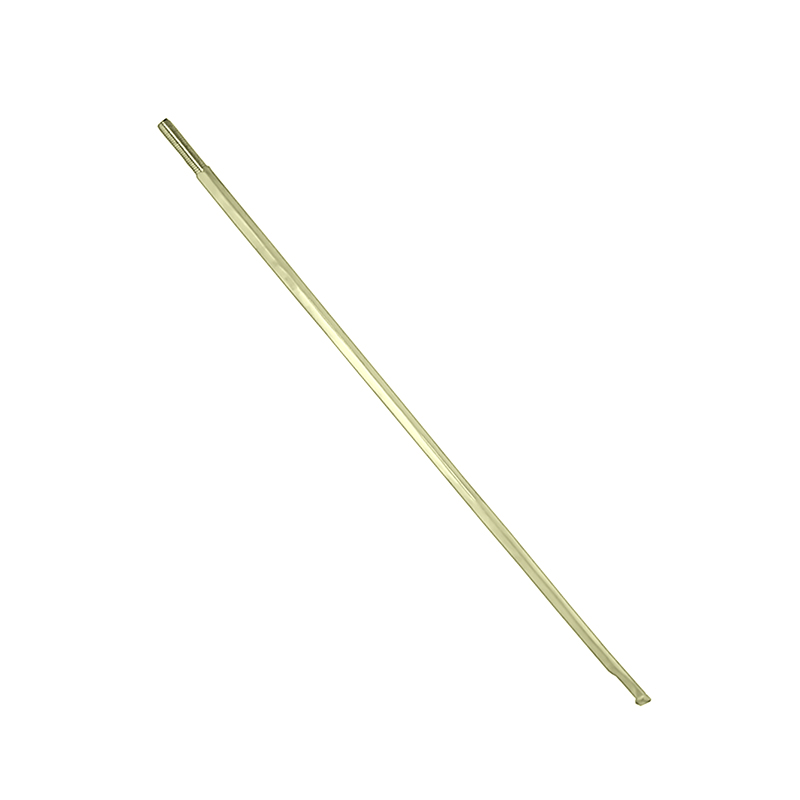
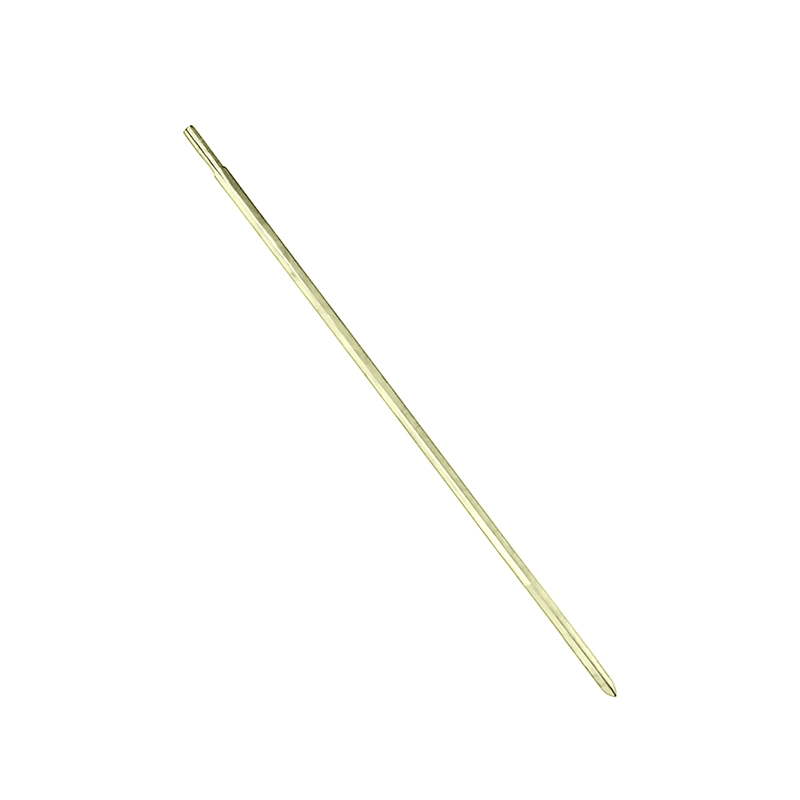
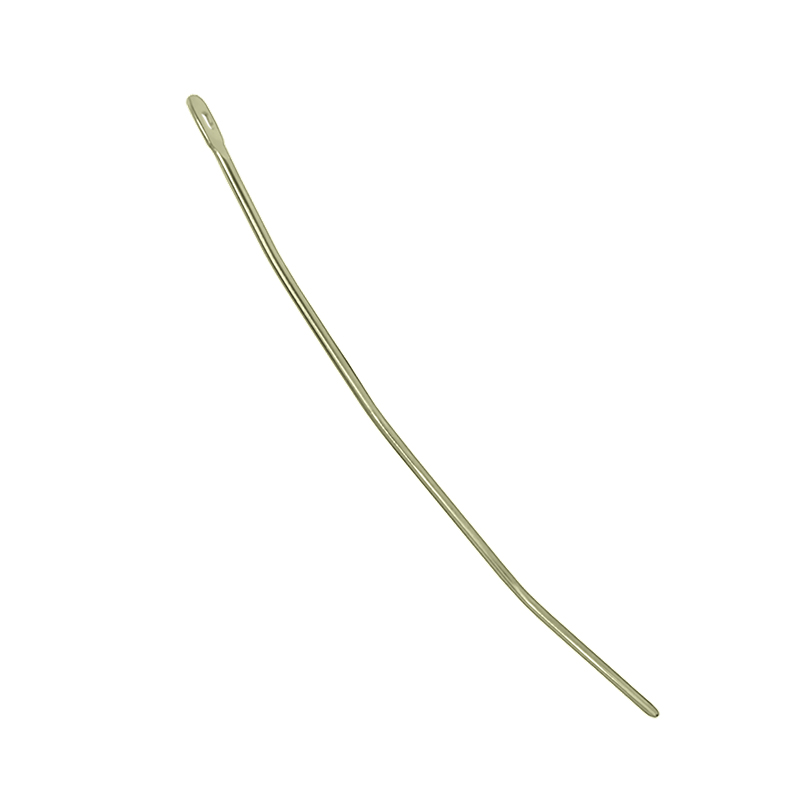
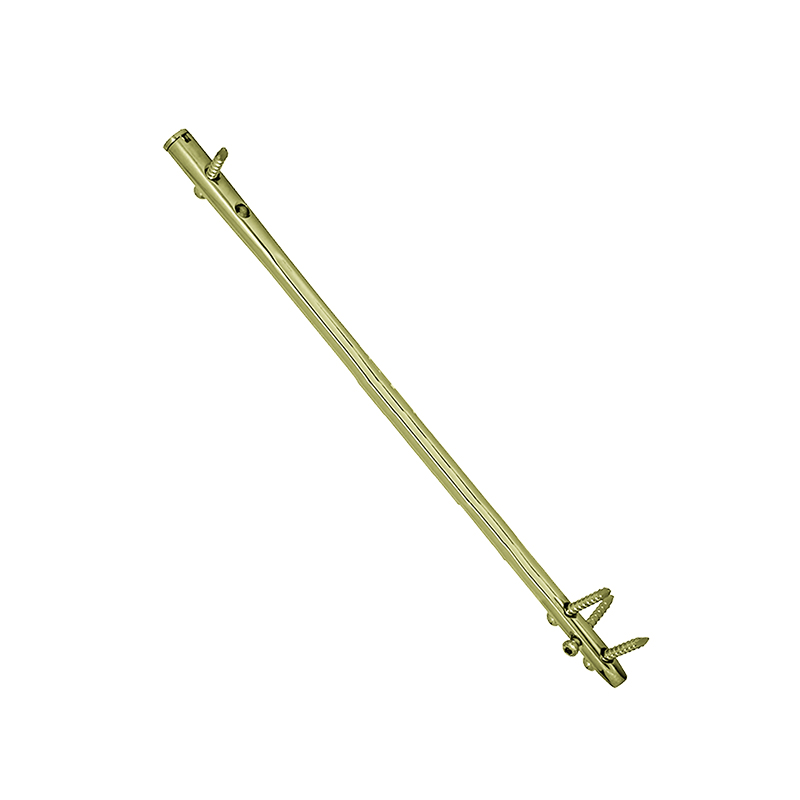
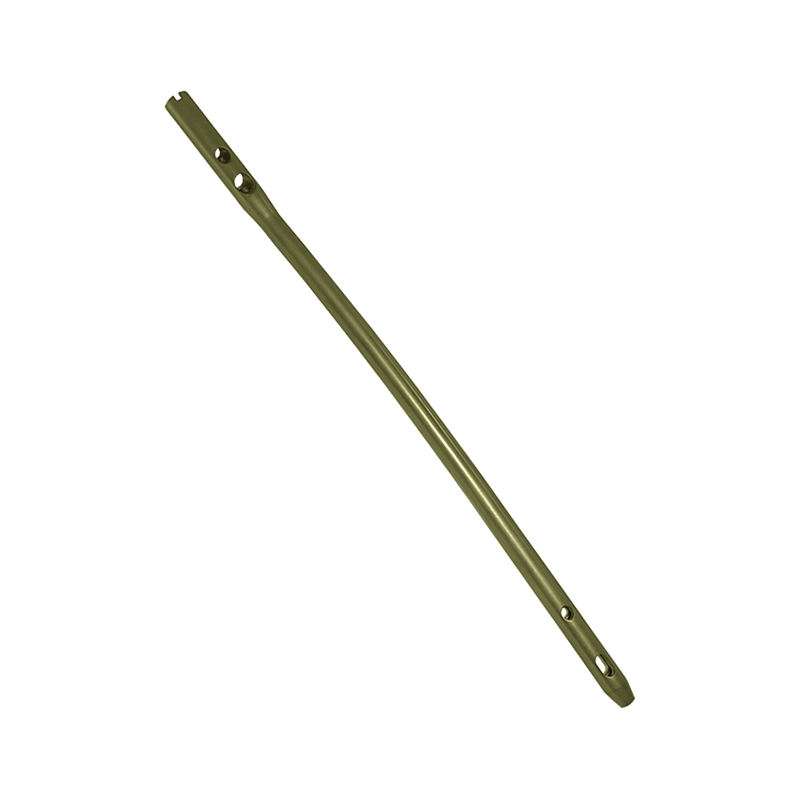
130° Long Proximal Femur Nail Antirotation – 2 Cannulated is an intramedullary fixation system designed for complex proximal and femoral shaft fractures. With a 130° neck-shaft angle, extended nail length, and dual cannulated screw configuration, it provides superior anti-rotational stability, precise insertion, and strong biomechanical support.
The 130° Long Proximal Femur Nail Antirotation – 2 Cannulated is an advanced orthopedic implant developed for the treatment of complex proximal femur fractures extending into the femoral shaft, including unstable intertrochanteric, subtrochanteric, and segmental fractures. The long nail design ensures full-length support of the femoral canal, enhancing load sharing and reducing the risk of implant failure in long bone fractures.
This system features a 130° neck-shaft angle, providing anatomically accurate alignment and optimal distribution of forces across the hip and femur. The dual cannulated screw configuration (2 screws) offers enhanced anti-rotational stability and controlled compression, making it especially effective in osteoporotic bone and unstable fracture patterns.
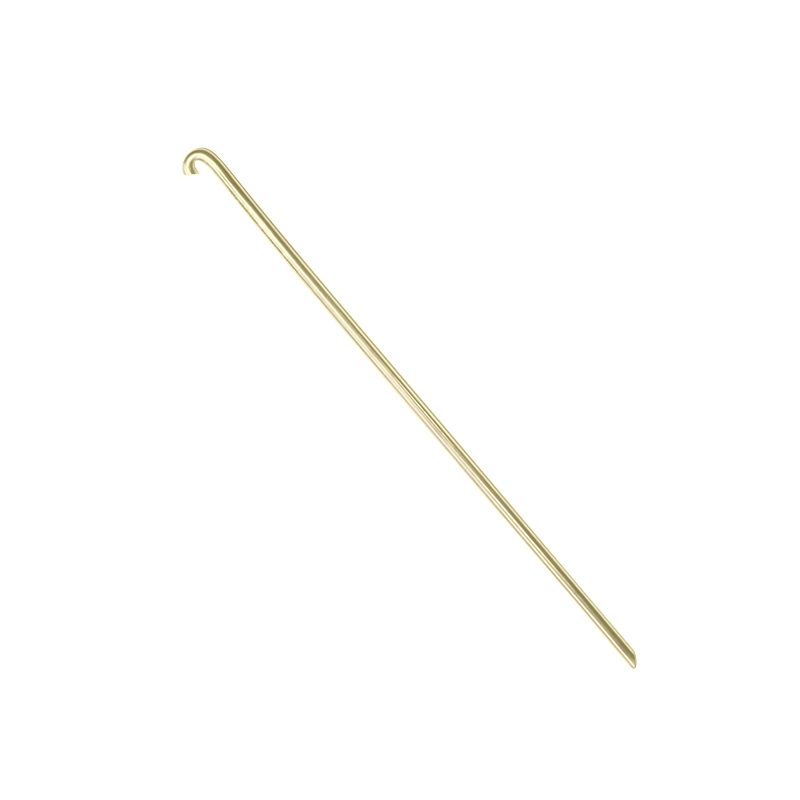
The cannulated design allows guided insertion over a guide wire, ensuring precise placement and minimizing intraoperative complications. Manufactured from high-quality Stainless Steel (SS) or Titanium (Ti), the implant provides excellent strength, fatigue resistance, and long-term biocompatibility.
Got questions? Ideas? Fill out the form below & our specialist will contact you.
Need help? Our team is just a message away